Debunking common gambling myths What you really need to know
The Gambler’s Fallacy
The gambler’s fallacy is a widespread belief that past events influence future outcomes in games of chance. Many players think that after a series of losses, a win is due, or vice versa. This notion is rooted in a misunderstanding of probability and randomness. In games like roulette, every spin is independent, and previous outcomes do not alter the odds of the next spin. Players might find themselves more tempted to explore options like a no gamstop casino during such moments, thinking it will change their fate.
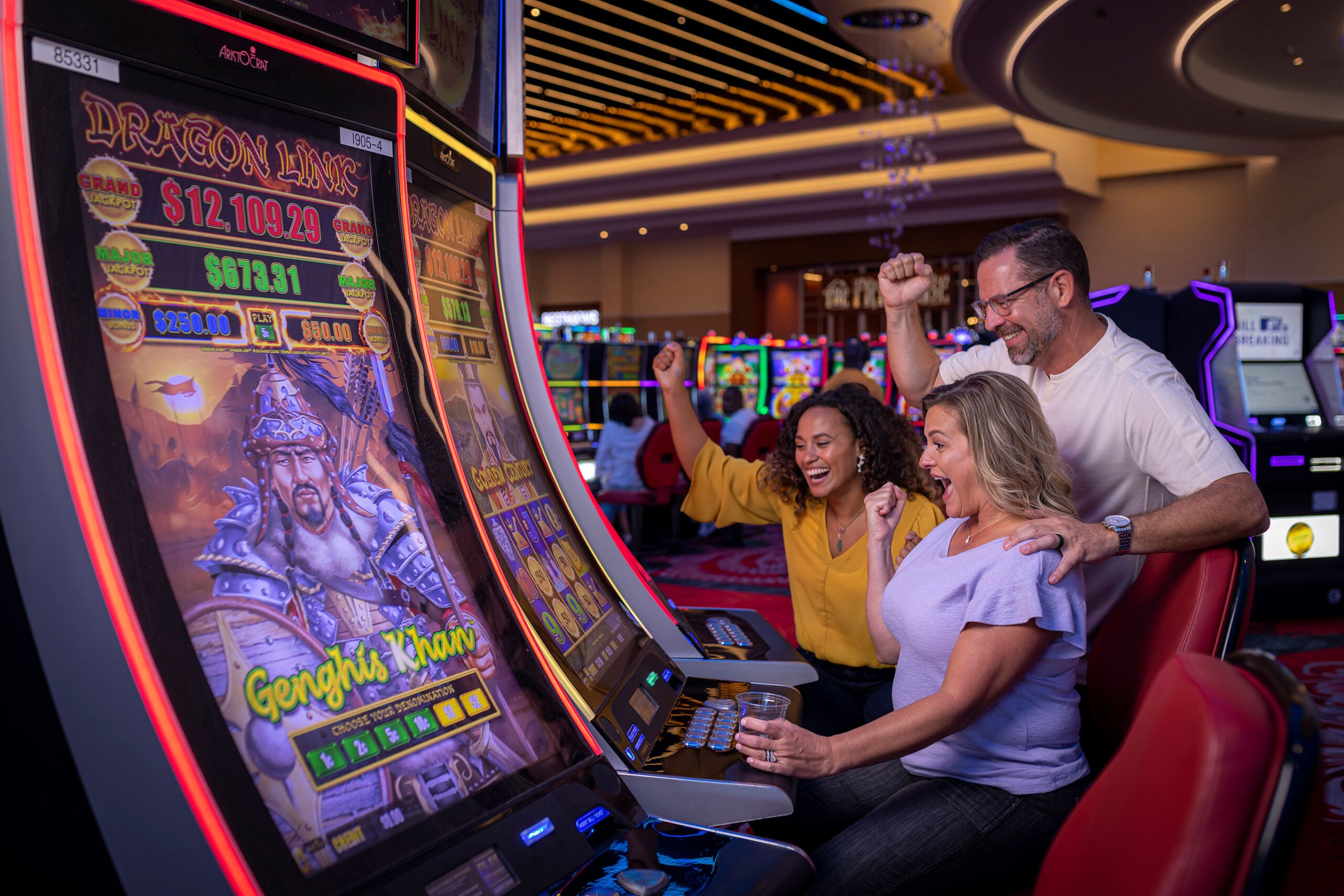
This misconception can lead to poor betting decisions and increased losses. Understanding that each event is separate helps players make more informed choices, rather than relying on flawed logic that can result in chasing losses or misjudging risks.
Skill vs. Luck
Another common myth is that success in gambling is purely based on skill. While skill does play a significant role in games like poker or blackjack, many gambling activities are fundamentally games of chance. Slot machines, for example, are designed to operate randomly, and no amount of skill can influence the outcome. Players often overestimate their ability to outsmart the game, leading to misplaced confidence.
Recognizing the balance between skill and luck is crucial for maintaining realistic expectations. It encourages gamblers to approach their play responsibly, understanding that even the most skilled players experience losses. This awareness can prevent discouragement and promote healthier gambling habits.
The Myth of “Hot” and “Cold” Streaks
The belief that certain games or machines are “hot” or “cold” is another fallacy that can mislead players. Many gamblers look for patterns, convinced that a machine that hasn’t paid out recently is “due” for a win. This thinking ignores the fact that these outcomes are random and independent of each other.
Such misconceptions can lead players to change their betting behavior based on superstition rather than strategy. Understanding that luck is unpredictable can help players resist the temptation to chase perceived streaks, leading to a more balanced approach to gambling and minimizing emotional decision-making.
Online Gambling is Rigged
Many skeptics believe that online gambling platforms are rigged against players. This myth often stems from a lack of understanding about the technology and regulations that govern online casinos. Reputable online gambling sites are subject to strict regulatory oversight and use certified random number generators to ensure fair play.
Believing in this myth can deter potential players from engaging in online gaming, depriving them of potentially enjoyable experiences. Educating oneself on how online casinos operate can build confidence and encourage responsible participation in online gambling.

Understanding Safe Gambling Platforms
In the realm of gambling, finding a secure platform is essential for a safe experience. While engaging in various games, players often worry about their sensitive information and financial security. Reputable gambling websites prioritize user protection and have stringent security measures in place to safeguard data from online threats.
It’s crucial for players to choose platforms that value transparency and provide clear guidelines on how to resolve access issues and ensure secure transactions. This understanding fosters a reliable and safe gambling environment, allowing individuals to enjoy their experience without unnecessary stress over safety concerns.