Exploring the psychological triggers that influence gambling behavior in casinos
The Allure of Casino Atmosphere
The environment of a casino is meticulously designed to captivate its patrons. Bright lights, vibrant colors, and the sounds of slot machines create an exhilarating atmosphere that stimulates the senses. This sensory overload plays a significant role in attracting players and can lead to impulsive gambling decisions. In particular, those seeking to explore casinos not on gamstop may find that the carefully curated ambiance encourages individuals to engage more deeply with the activities available.
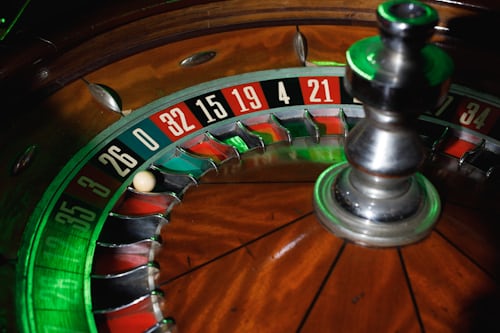
Moreover, the absence of clocks and windows in many casinos is a deliberate strategy to lose track of time. This disorientation can result in extended gambling sessions, as players become engrossed in the experience, often neglecting their financial boundaries. Understanding how this atmosphere impacts behavior is essential for both players and casino operators aiming to create a responsible gaming environment.
The Role of Reward Mechanisms
Gambling exploits the brain’s reward system, often leading to addictive behaviors. When players win, the release of dopamine creates feelings of pleasure and satisfaction, reinforcing their desire to gamble more. This physiological response can lead to a cycle where players chase the high of winning, often overlooking the long-term consequences of their actions. The design of games, such as near-misses and variable rewards, further amplifies this effect, making it challenging for individuals to walk away.
In addition, the unpredictability of outcomes keeps players engaged. This element of chance can heighten the thrill of gambling, as even small wins can trigger a rush of excitement. Recognizing these psychological triggers is crucial for players to understand their behaviors and for casinos to implement responsible gaming measures that promote healthier gambling habits.
Social Influences and Group Dynamics
The social aspect of gambling can significantly impact behavior. People often gamble in groups, and the presence of peers can heighten excitement and influence decision-making. Social reinforcement from friends can encourage riskier bets and prolonged gaming sessions, as individuals seek validation and camaraderie within their social circles. This dynamic can lead to a collective mindset where individuals feel more comfortable taking risks they might avoid when gambling alone.
Furthermore, the interaction with casino staff and other players can create a sense of community. This feeling of belonging may further entrench individuals in their gambling behavior, making it harder to recognize when their habits become problematic. Understanding these social triggers can help individuals make more informed choices while navigating the gambling landscape.
The Impact of Marketing Strategies
Casinos employ various marketing techniques to attract and retain players, leveraging psychological triggers to increase engagement. Promotions, loyalty programs, and targeted advertisements are designed to create a sense of urgency and exclusivity, compelling players to participate. These strategies often evoke feelings of fear of missing out (FOMO), pushing individuals to gamble more than they initially intended.
Moreover, the use of celebrity endorsements and social media campaigns can further amplify this effect, making gambling appear more appealing and accessible. As casinos continue to innovate their marketing approaches, understanding the psychological mechanisms behind these strategies can empower players to make more rational decisions and recognize the tactics at play.

Insights and Resources for Responsible Gambling
To foster a responsible gambling culture, it is essential for players to educate themselves about the psychological triggers influencing their behavior. Resources and guidance are available to help individuals recognize when their gambling habits may be becoming problematic. Organizations and websites dedicated to gambling awareness provide valuable insights into understanding risks and developing healthier gambling habits.
By promoting open discussions about gambling behaviors and ensuring access to support resources, the gambling industry can take meaningful steps toward creating a safer environment for all players. Engaging with these resources can empower individuals to enjoy gambling responsibly while minimizing potential risks associated with excessive play.